Wednesday, November 25, 2026In focus

Roberto Prieto: The Live Confession That Went Unpunished, the Witness Who Put Him on the Map, and the Indictment That Will Send Him Back to the Dock in 2026

Roberto Prieto is the only person featured in this series who confessed to a crime in a radio interview and was not punished for it. On March 14, 2017, the former manager of Juan Manuel Santos’s reelection campaign admitted on Blu Radio that Odebrecht had paid for the 2010 campaign posters. The National Electoral Council … Read more about Roberto Prieto: The Live Confession That Went Unpunished, the Witness Who Put Him on the Map, and the Indictment That Will Send Him Back to the Dock in 2026

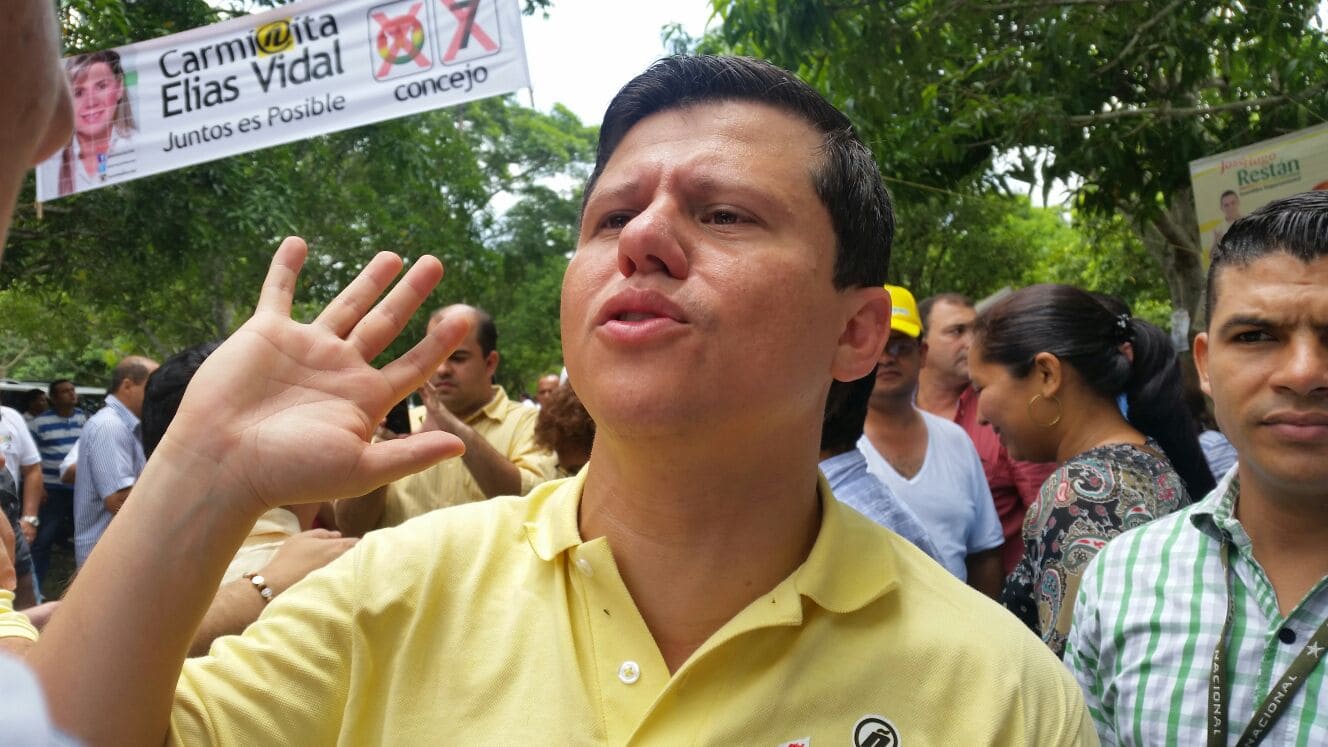
Ñoño Elías: The senator who was implicated by Otto Bula, who pleaded guilty three times and ultimately testified against the president of the ANI

Bernardo Miguel Elías Vidal, known as “Ñoño,” has been on both sides of the dock in this series. First, he was the one implicated. In 2017, intermediary Otto Bula identified him as the senator who secured the addition of the Ocaña-Gamarra section for Odebrecht. Later, he became a witness. In May 2021, he testified in … Read more about Ñoño Elías: The senator who was implicated by Otto Bula, who pleaded guilty three times and ultimately testified against the president of the ANI

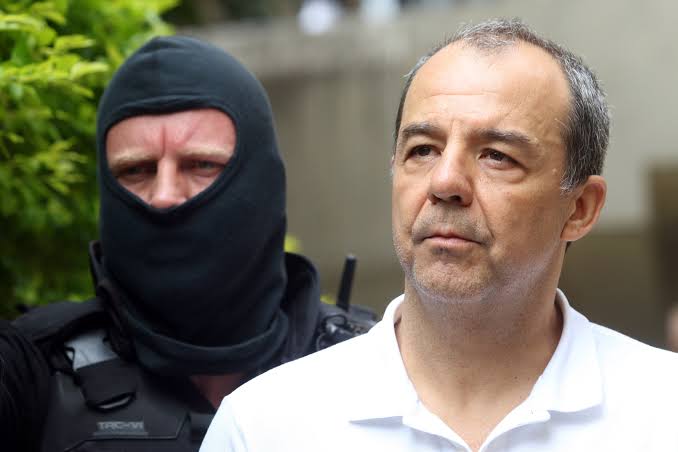
Sérgio Cabral: The Whistleblower Who Confessed to US$100 Million, the Plea Deal That the Supreme Court Overturned, and the Witnesses Whose Convictions Stood

Sérgio Cabral is the most contradictory whistleblower in this series. In February 2019, after he had already been convicted and imprisoned, he signed a cooperation agreement with the Brazilian Federal Police. He confessed to having accepted large bribes and to having US$100 million abroad. Two years later, the Federal Supreme Court annulled that agreement. The … Read more about Sérgio Cabral: The Whistleblower Who Confessed to US$100 Million, the Plea Deal That the Supreme Court Overturned, and the Witnesses Whose Convictions Stood

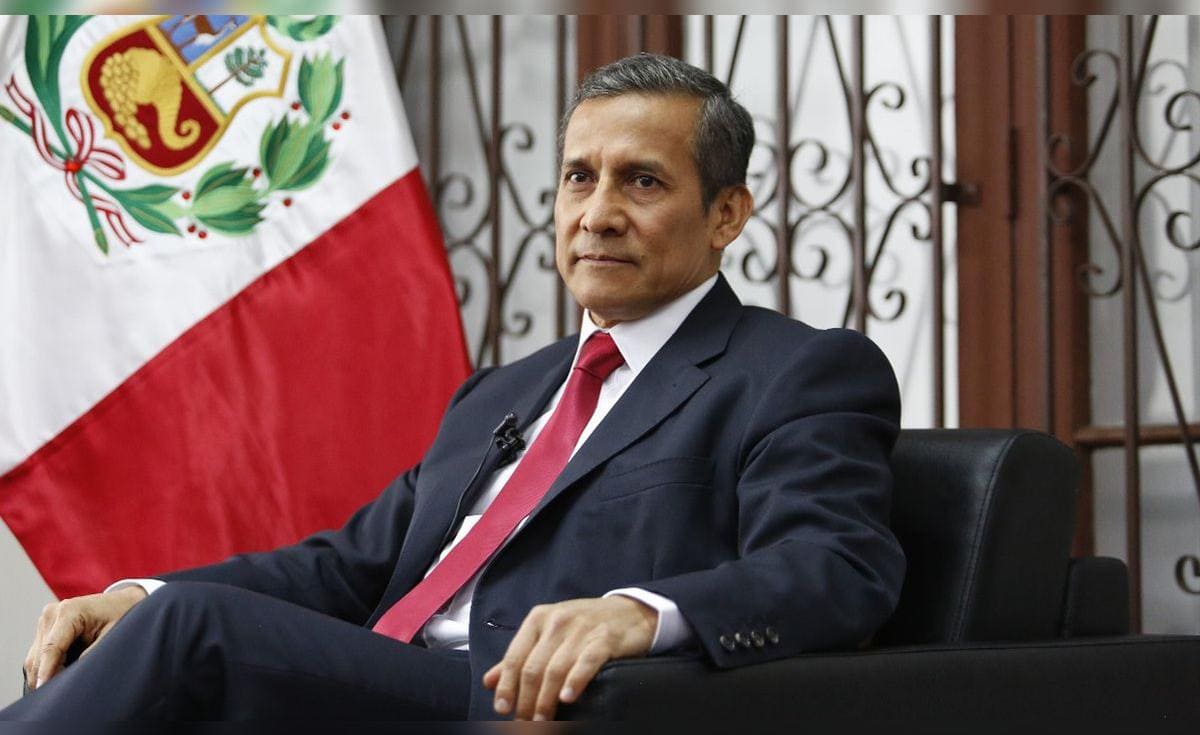
Ollanta Humala: The 220 witnesses who testified against him, the 57 donors who denied having paid, and why his word was not enough to uphold the sentence

Ollanta Humala was convicted in April 2025 based on evidence consisting almost entirely of witness testimony. The Third National Criminal Court heard 220 witnesses during a three-year trial. In addition, fifty-seven of them testified that they never made the donations that the Nationalist Party recorded in their names. Fifteen months later, the Constitutional Court overturned … Read more about Ollanta Humala: The 220 witnesses who testified against him, the 57 donors who denied having paid, and why his word was not enough to uphold the sentence

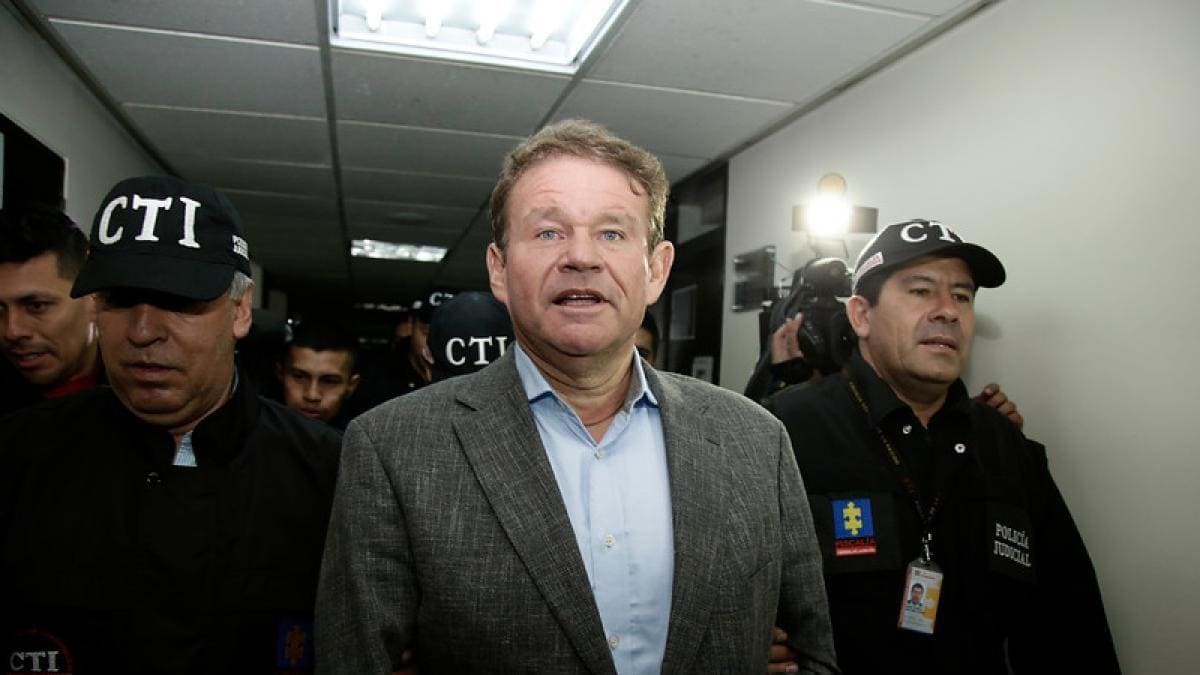
Otto Bula: The Witness Who Pinned the Odebrecht Case in Colombia, Whom He Named, What Convictions His Testimony Led To, and What Price He Paid for Cooperating

Otto Bula is the most productive witness in this entire series. No other informant from the region has seen his testimony lead to so many final convictions. Arrested in January 2017, the former Liberal senator went from being an Odebrecht intermediary to the Colombian Attorney General’s Office’s primary source in just a few weeks. His … Read more about Otto Bula: The Witness Who Pinned the Odebrecht Case in Colombia, Whom He Named, What Convictions His Testimony Led To, and What Price He Paid for Cooperating

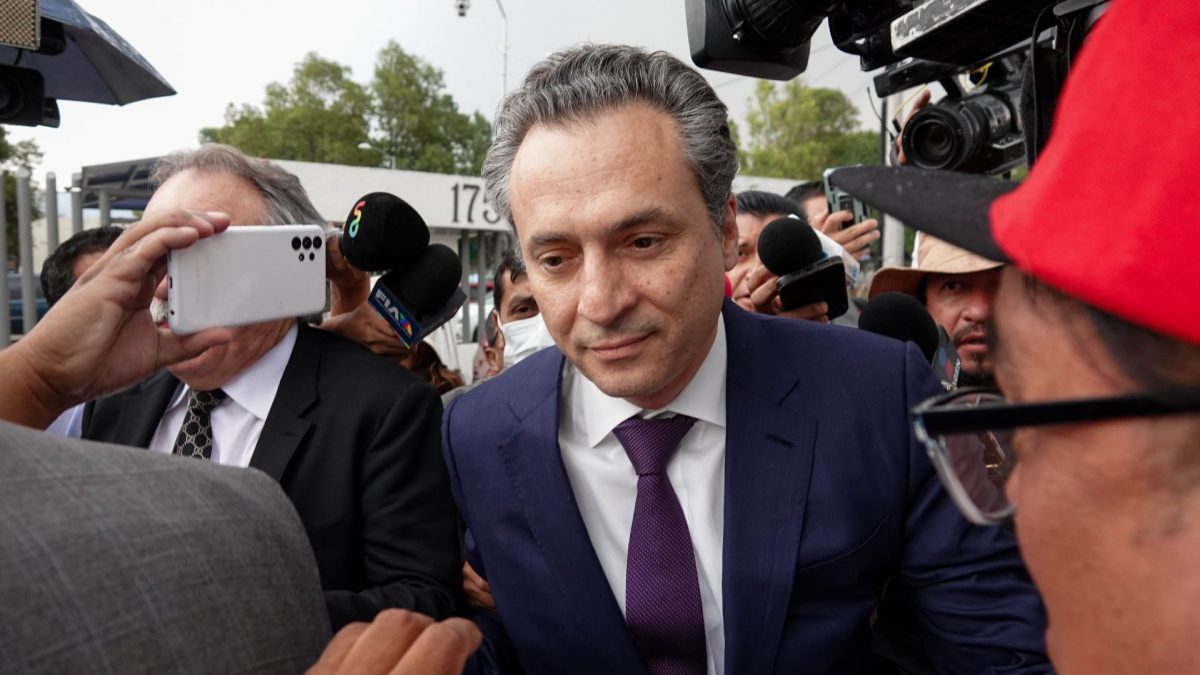
Emilio Lozoya: The Whistleblower Who Spoke Out for Half a Presidential Term, the Agreement the Prosecutor’s Office Rejected, and What His Testimony Actually Achieved in Six Years

Emilio Lozoya is the only defendant in this case who attempted to become a witness against his own government. Upon his extradition to Mexico in July 2020, the former director of Pemex requested to be granted leniency. In other words, he sought to testify against others in exchange for benefits. For three years, he implicated … Read more about Emilio Lozoya: The Whistleblower Who Spoke Out for Half a Presidential Term, the Agreement the Prosecutor’s Office Rejected, and What His Testimony Actually Achieved in Six Years

Cooperation arrangements in each country

Almost every major corruption case in the region moved forward thanks to a defendant who chose to cooperate. Each country regulates this with its own name and rules:

CountryArrangementLegal basis
BrazilRewarded cooperation (delação premiada)Law 12,850 of 2013
PeruEffective collaboration (colaboración eficaz)Code of Criminal Procedure
ArgentinaCooperating defendant (arrepentido)Law 27,304 of 2016
ColombiaPrinciple of opportunity and plea agreementsCode of Criminal Procedure (Law 906 of 2004)
MexicoOpportunity criterionNational Code of Criminal Procedure
United StatesCooperation and plea agreementsFederal practice before the Department of Justice

Why an informant's word is not enough

A cooperating witness has an incentive to talk: a lighter sentence. That is why courts require their statements to be corroborated by other evidence, such as documents, transfers or independent testimony. In Brazil, Law 12,850 states it expressly: no one can be convicted on a cooperating witness's word alone.

That is why each piece separates three things: what the informant said, what was corroborated and what the courts found proven.

What can go wrong with an agreement

  • Recantation: the cooperating witness takes back the statement after signing.
  • Annulment: a court voids the agreement over a legal defect, and the evidence obtained may fall with it.
  • Rejection: prosecutors decide the information is not useful and do not sign.
  • Breach: the cooperating witness hides information and loses the benefits.

For example, the piece on Otto Bula explains how his testimony underpinned the Odebrecht case in Colombia and which convictions it produced. The one on Sérgio Cabral shows what happened when the Supreme Court annulled his agreement, and the one on Emilio Lozoya details the agreement Mexican prosecutors rejected.

Whistleblowers and witnesses by country

CountryRecords
Colombia3
Brazil1
Mexico1
Peru1

Where to follow each case across the network

Frequently asked questions

What is a cooperating witness?

It is a defendant who gives prosecutors information in exchange for benefits, such as a reduced sentence. Peru calls it colaboración eficaz, Brazil delação premiada and Argentina arrepentido.

Can someone be convicted on an informant's word alone?

They should not be. Courts require the statement to be corroborated by other evidence. In Brazil, Law 12,850 of 2013 expressly prohibits convicting anyone on a cooperating witness's word alone.

What happens if a cooperation agreement is annulled?

The cooperating witness loses the benefits and the evidence obtained through the agreement may be invalidated. That is why an annulment can affect other cases that relied on that testimony.

What is the difference between an informant and a protected witness?

An informant is a defendant who cooperates in exchange for sentencing benefits. A protected witness may not be accused at all; they receive protection because their testimony puts them at risk.

Last updated: October 12, 2026. Records in this section: 6.